

Making next-generation apps with weather API intelligence has proven to be an effective strategy for companies seeking to create more efficient, flexible, and data-driven digital experiences. Weather data isn’t restricted to simple forecasts. Today, it is a source of personalized decision-making, intelligent decisions automation, predictive insight across many sectors.
As mobile applications, SaaS platforms, and AI-powered systems continue to grow the integration of weather APIs can help developers build applications that can adapt to changing weather conditions in real-time. This blog explains the ways that weather APIs are influencing next-generation application development, why they’re important and how they open up new possibilities to create new opportunities for innovation.
Understanding Weather API Intelligence

Weather API intelligence is the application of weather-related data that is gathered from sensors, satellites radar systems, satellites, and forecasting models. This information is provided via APIs that permit applications to get access to real-time as well as historical and predictive information about weather.
In contrast to basic weather widgets modern weather APIs offer advanced datasets, including temperatures trends, humidity levels patterns of wind, precipitation probabilities and air quality indexes and alerts for severe weather. When coupled with machine learning and analytics the data can be used as an extremely powerful layer of intelligence for applications.
Why Weather Data Matters in Modern App Development
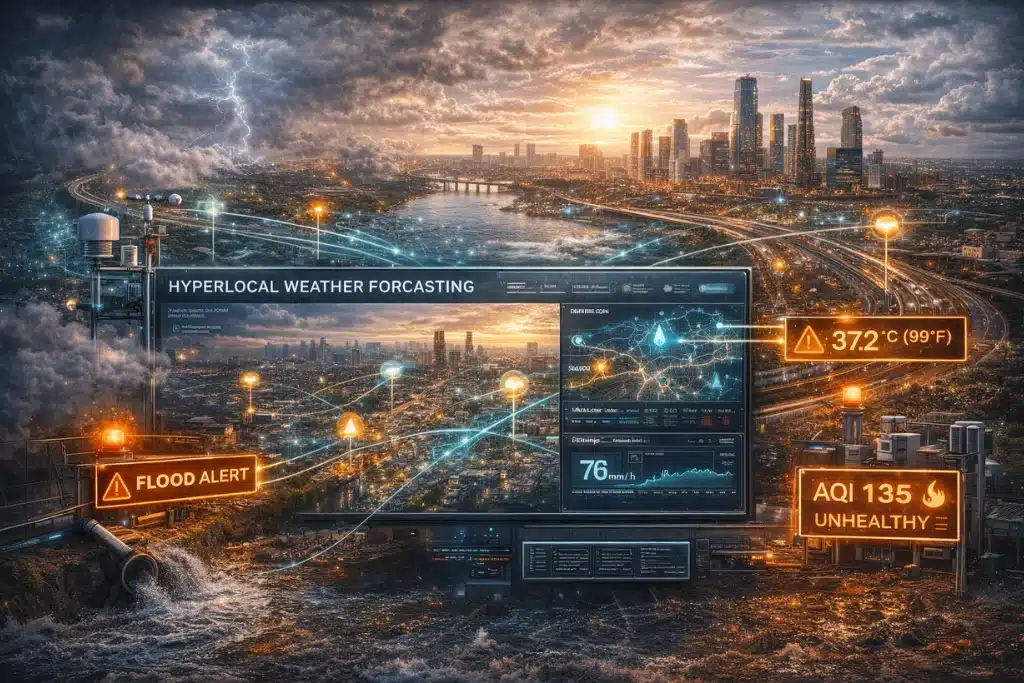
Weather impacts our lives in more ways than we think. From agriculture and transportation as well as fitness, eCommerce these conditions impact the way people behave as well as business results.
With the help of weather API intelligence applications can:
- The content can be dynamically adapted
- Improve user engagement
- Increase efficiency of operations
- Reduce risks by utilizing predictive alerts
- Enable smarter automation
Future-generation apps are not static. They are responsive to environmental changes and weather data plays an important role in this process.
Key Benefits of Using Weather API Intelligence
Enhanced User Personalization
Apps that are weather-aware can alter experiences based upon real-time conditions. For instance an app for fitness could suggest indoor workouts in temperatures that are hot or rainy, and heat-safe workouts in extreme temperatures. This kind of personalization improves the satisfaction of users and keeps them engaged.
Smarter Business Decisions
Businesses can benefit from weather-related intelligence to forecast the demand, manage inventory and improve logistics. Apps for delivery and retail benefit by understanding the buying patterns influenced by weather as well as operational challenges.
Predictive Capabilities
Weather APIs provide forecast data that allow apps to anticipate future weather conditions. Predictive intelligence allows proactive alerts, suggestions, along with automated workflows to increase the reliability and confidence of.
Real-Time Automation
The ability to trigger weather conditions allows apps to respond immediately. For instance smart home systems are able to alter temperature settings in response to the weather or humidity.
Use Cases of Weather API Intelligence in Next-Gen Apps
Smart Mobility and Transportation Apps
Transportation apps rely heavily upon information about weather patterns to enhance the planning of routes, safety and efficiency. Storms, rain, fog as well as extreme temperatures all affect the decisions made by travelers.
With the help of weather API intelligence apps can provide:
- Tips for a safer route
- Delay forecasts
- Alerts in real-time for dangerous conditions
- Tips for optimizing fuel efficiency
Agriculture and AgriTech Applications
Agriculture is among the most weather dependent industries. Future-generation agri apps utilize weather APIs to help farmers with precise information.
Applications that are essential include:
- Planning for crop growth Based on rainfall forecasts
- Irrigation schedules based on temperature and humidity data
- Health and safety alerts for pests
- Harvest timing optimization
These features aid farmers in reducing losses and improve productivity.
Health and Wellness Apps
The weather can affect the physical and mental health of people. Modern health apps use information about weather conditions to give context-sensitive advice.
Examples include:
- Alerts to users at risk of heatwaves
- Air quality-based breathing guidelines based on air quality
- Seasonal Wellness Tips
- Outdoor activity making plans
Health apps are more user-focused and proactive.
E-Commerce and Retail Platforms
Weather affects shopping behaviour more than what most retailers would expect. The latest eCommerce apps utilize information about weather to enhance the customer experiences and strategies for sales.
Weather-driven insight can help:
- Individualized product recommendations
- Forecasting demand
- Seasonal promotions
- Supply chain strategy
This results in more conversion rates and greater satisfaction of customers.
Smart Cities and Urban Planning Apps
Smart city platforms depend on weather-related intelligence to oversee public safety and infrastructure. Weather-powered apps help with:
- Control of traffic
- Monitoring of storms and floods
- Optimization of energy consumption
- Planning for emergency response
These solutions boost city resilience and the well-being of citizens.
How Weather API Intelligence Enhances User Experience
The experience of users is no longer restricted to the design of interfaces. It’s about relevancy to timing, accuracy, and relevance.
Weather-aware apps:
- Send notifications that are specific to the context.
- Eliminate unnecessary alerts
- Offer real-world value
- Create trust by ensuring the accuracy of your work
If users feel like the app is aware of their surroundings their environment, they are more engaged.
Role of AI and Machine Learning in Weather-Driven Apps
Weather API intelligence is more efficient when it is combined with machine learning and artificial intelligence.
AI allows applications to:
- Study the historical patterns of weather
- Predict trends for the future
- Recognize the presence of anomalies
- Find out user behavior under various weather conditions
Machine learning models continue to improve their precision, making the next generation of apps more intelligent over time.
Challenges in Using Weather API Intelligence
Although weather APIs provide tremendous value, developers need to address some issues.
Data Accuracy and Reliability
Weather data is derived from a variety of sources. The accuracy and consistency of the data is crucial, particularly for security-sensitive applications.
Performance and Scalability
Real-time data processing for millions or even thousands of users demands optimal backend systems, as well as efficient caching strategies.
User Privacy and Trust
Apps should handle the location-based weather data in a responsible manner and in a transparent manner to ensure user trust.
Best Methods to Build next-generation apps that incorporate Weather Intelligence
To maximize the benefits of intelligence from the API for weather developers must follow these guidelines:
- Utilize forecast and real-time data strategically
- Do not overwhelm users with unnecessary alerts
- Combine the weather data with user behaviour to gain insights
- Test your applications under various weather conditions
- Concentrate on actionable insights rather than data that is raw
These practices help deliver meaningful, high-value experiences.
Future of Weather API Intelligence in App Development
The future of next-generation apps is closely linked to the environment’s intelligence. As the patterns of climate change are more unpredictable and unpredictable, demand for applications that are weather-aware will continue to increase.
Trends that are emerging include:
- Local weather information and forecasts
- AI systems that are climate aware
- Automated decision-making machines
- Weather intelligence platforms across industries
Weather APIs will change from data providers into intelligence as partners within digital ecosystems.
Why Businesses Should Invest in Weather-Driven Apps
The investment in the weather API intelligence is not a choice for companies that are advancing their thinking. It can provide:
- Competitive advantage
- Increased efficiency of operations
- Higher customer engagement
- Smarter risk management
Companies that are quick to adapt will be the leaders in an era of innovations.
Conclusion
Making next-generation apps with intelligence from the weather API is revolutionizing the way technology interacts with physical world. Through the integration of real-time and forecasted information about weather, developers can create safer, more intelligent and more personalised apps that offer real value.
From agriculture and health to eCommerce and transportation, meteorological intelligence will shape the next phase of application development. As technology improves the use of weather-related apps will be the norm rather than an one-off.
Companies and developers who take advantage of this information today are preparing their businesses for an adaptable robust, data-driven and reliable digital future.


