Artificial Intelligence (AI) is not a new concept. It’s an actual living thing that is shaping the way we learn, work and create, as well as how we connect. From autonomous vehicles as well as personalized medical care smart artificial assistants, to intelligent cities and smart homes, AI is revolutionizing the possibilities. By 2025, AI has gone beyond efficiency and automation; it is now influencing innovation, decision-making, as well as the pace of progress across the globe.
In this complete guide, you’ll learn about the actual significance of artificial intelligence in the present day as well as how it is evolving as well as what the most recent trends are and how to prepare for a future powered by AI. If you’re an employee, student or business owner, or enthusiast This blog will provide you with knowledge that is crucial.
What Is Artificial Intelligence? A Clear and Simple Definition
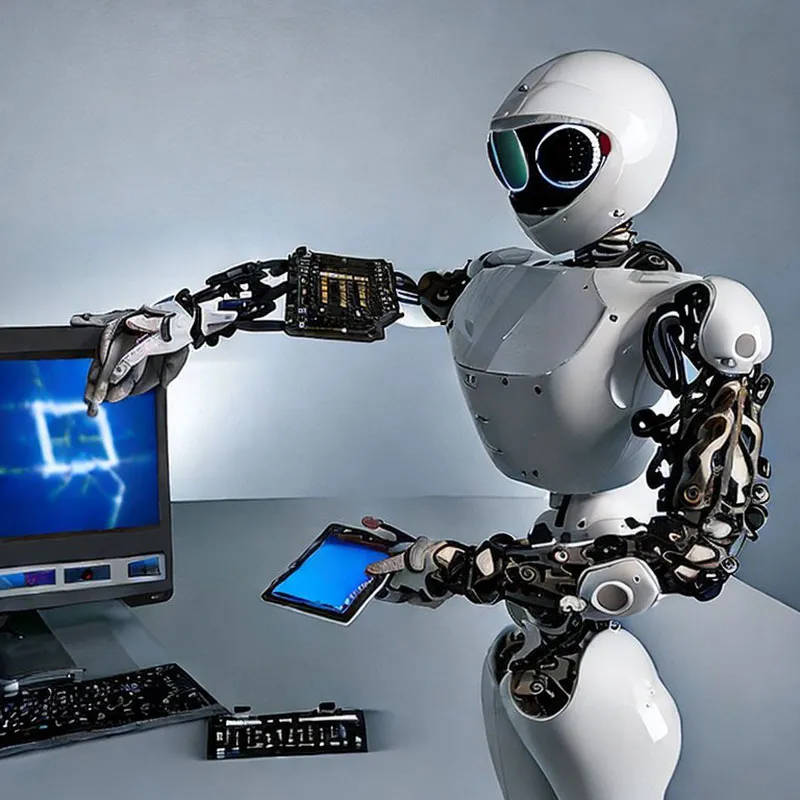
Artificial intelligence is the term used to describe computers that are able to complete tasks that require human-like abilities.. They include:
- Understanding natural language
- Recognizing patterns and images
- Making decisions based on information
- Feedback and learning from experience
- Predicting outcomes with algorithms
Artificial Intelligence systems run on machines learning (ML) deep learning (DL) and neural networks, which are advanced technology that allows machines to learn and evolve as they age.
By 2025 AI won’t be just isolated technology, it’s integrated into daily life, enabling applications tools, services, and tools that millions of people rely on each day.
The Evolution of Artificial Intelligence: From Research to Reality

Artificial intelligence was initially an academic endeavor in the 1950s, however it was not until the beginning of the 21st century that technological advancements transformed the theory into a reality. The primary drivers for AI advancement are:
1. Big Data Explosion
Digital footprints of sensors, users and connected devices generated enormous databases. AI relies heavily on informationthe more data it has the more data it has, the more intelligent it gets.
2. Improved Computing Power
GPUs TPUs, GPUs, as well as special hardware are now processing data at a faster rate than ever before, making it possible for advanced AI models such as GPT or Vision models to function.
3. Advanced Algorithms
Convolutional neural networks, reinforcement learning and more. today’s AI algorithms are able to solve problems that were once thought to be impossiblesuch as translation of languages as well as cancer detection. autonomous driving.
4. Cloud-Based Intelligence
AI solutions are available to all businesses via cloud platforms, which is democratizing innovation.
How Artificial Intelligence Is Impacting Everyday Life in 2025
Artificial intelligence isn’t just another buzzword. It impacts nearly every aspect of our lives. Here’s how:
1. AI in Healthcare: Personalized, Predictive, and Precise
Healthcare is among the most promising areas for AI.
Predictive Diagnostics
AI can analyse health scans and genetic information and patient histories to identify illnesses earlier than traditional methods could ever be. For instance:
- Recognizing early-stage cancerous cells
- Predicting diabetes risk
- Monitoring the health of your heart in real-time
These systems assist doctors to make better and faster decisions.
Personalized Treatment Plans
Instead of a generic method, AI recommends therapies tailored to the individual patient’s specific data. This specific treatment improves the effectiveness of treatment and minimizes the risk of the risk of adverse side consequences.
Virtual Health Assistants
Artificially-generated chatbots, virtual assistants, and AI can answer patients’ questions, track the symptoms and remind patients to take their medication -increasing patient engagement and reducing the cost of healthcare.
2. AI in Education: Personalized Learning for Every Student
Artificial Intelligence is changing the way students learn and teachers instruct.
Adaptive Learning Platforms
AI systems evaluate the strengths, weaknesses of each student and learning style to develop customized learning paths. This means:
- Faster learners can move faster without having to wait
- Students struggling receive targeted assistance
- Teachers gain insights based on data to enhance instruction
Automated Grading and Feedback
AI assesses homework, quizzes and even essayswhich saves time for teachers and giving immediate feedback for students.
Language Translation and Accessibility
AI software for speech recognition as well as translation aid students from all backgrounds to access an education of the highest quality without any language obstacles.
3. AI in Business: Smarter Decisions, Better Customer Experience
Artificial intelligence is changing business strategies across all sectors.
Data-Driven Decision Making
AI tools help companies:
- Predict market trends
- Study the customer’s behavior
- Optimize pricing strategies
- Forecast demand more precisely
This boosts efficiency and increases profitability.
Customer Service Automation
Virtual Assistants as well as chatbots can now answer customer queries 24/7 using natural language comprehension. They are able to:
- Process orders
- Find solutions to problems
- Recommend products
- Collect feedback
This increases user satisfaction and decreasing operational costs.
4. AI in Transportation: Safer Roads and Smarter Mobility
Logistics and transportation are going through significant changes.
Autonomous Vehicles
AI-powered autonomous systems can recognize pedestrians, recognize traffic signals and make split-second-long decisionsimproving safety while reduce congestion.
Traffic Management Systems
Cities are now using AI to improve the flow of traffic to reduce emissions, improve traffic flow, and increase the efficiency of public transportation.
Predictive Maintenance
AI can predict when a vehicle require repairs, thereby making repairs less frequent and prolonging the asset’s longevity.
5. AI in Entertainment: Personalized and Immersive Experiences
Entertainment industry using AI to create more engaging content.
Content Recommendations
Streaming platforms make use of AI to learn about your preferences and suggest shows, movies and music that you’re likely to like and increase user retention.
Interactive Storytelling and Game AI
The games now have intelligent AI characters that are able to learn from the players which makes gameplay more exciting and exciting.
6. AI in Finance: Smarter Investing and Fraud Prevention
Algorithmic Trading
AI systems analyse thousands of points in data to find lucrative investment opportunities in real timemore quickly than any human trader.
Fraud Detection
AI detects abnormal patterns that flag suspicious activities ahead of large losses are incurred.
Personalized Financial Advice
Automated financial advisors offer customized strategies for investing, savings along with retirement plan.
Ethical Challenges of Artificial Intelligence
With the power of AI comes a responsibility. AI presents major ethical questions:
Bias and Fairness
AI can learn by studying data. If the data is a reflection of human bias then the AI enhances it. This can affect:
- Hiring decisions
- Credit approvals
- Criminal justice systems
Data Privacy
AI systems are based on huge quantities of personal information. Privacy protection while still benefitting in AI data is a major problem.
Job Displacement
Certain roles are becoming automated earlier than new roles are developed. This raises questions about the workforce’s ability and the income gap.
Accountability and Transparency
Who is accountable when AI commits a mistake? The clearest guidelines and ethical frameworks are crucial.
Top AI Technologies You Should Know in 2025
Artificial intelligence isn’t a single technology, but rather an entire spectrum. The following are the top popular AI technologies of today:
1. Machine Learning (ML)
AI learns from the data and increases its performance over time.
2. Deep Learning
This specific subset of ML simulates neural networks that are similar to those of the human brain.
3. Natural Language Processing (NLP)
NLP allows machines to comprehend, read and converse with human language.
4. Computer Vision
AI systems process videos and images — that are used in the fields of facial recognition and medical imaging and autonomous vehicles.
5. Generative AI
GPT-style models, for example, allow you to write, draw visuals, and spark ideas, thus expanding the possibilities of creativity.
How Businesses Can Implement AI in 2025
AI adoption doesn’t happen overnight. This is a step-by-step guideline:
1. Define Clear Objectives
Pick use cases where AI can provide tangible value.
2. Collect Quality Data
AI performance is contingent on the quality of the data it draws its lessons from.
3. Invest in the Right Tools
Platforms for cloud computing and AI frameworks help to make implementation easier and more adaptable.
4. Train Teams
The training of your workforce will ensure cooperation between AI as well as human talents.
5. Monitor and Improve
AI systems have to be continuously refined to ensure precision and accuracy.
The Job Landscape: AI and the Future of Work
Some jobs are changingand not disappearing.
Jobs Being Transformed
- Data analysts
- Customer support specialists
- Healthcare technicians
- Creative professionals
New Opportunities Emerging
AI has triggered demand for:
- AI ethicists
- Engineers who use machine learning
- Data scientists
- AI project managers
The workforce of the future will thrive by combing human capabilities together with AI collaboration.
AI and Global Progress: A Broader Perspective
AI plays a growing part in solving global problems:
Climate Change
AI analyses models of climate to improve strategies to sustain.
Healthcare Accessibility
The remote diagnostics as well as AI health assistants extend health care to areas that are not served.
Education Equality
AI tools allow for high-quality learning regardless of location or available resources.
Practical Tips for Individuals to Embrace AI in 2025
If you’re a student, or a professional
Learn AI Basics
Learn concepts such as ML, NLP along with data analysis.
Use AI Tools
Find tools to increase productivity:
- Writing assistants
- Analytics platforms
- Personal productivity applications for the iPhone
Stay Updated
AI evolves fast. Be sure to read reputable tech magazines as well as research journals and online classes.
Future Predictions: What’s Next for Artificial Intelligence?
AI Everywhere
AI will be embedded into everyday objects, including refrigerators, to intelligent cities.
Human-AI Collaboration
AI can boost human creativity, but will not substitute it.
Regulation and Ethics
The government will implement more robust AI governance structures to safeguard users and ensure that AI is used ethically.
Universal AI Education
AI literacy will soon become a fundamental skill that can be taught in early education and professional development.
Final Thoughts: Why Embracing AI Matters
Artificial intelligence by 2025 isn’t just about technology it’s about improving humans’ potential. From improving health outcomes to redefining work, and broadening the possibilities for education, AI’s impact is huge.
The most important thing to do in the current era is being aware of AI and using it in a responsible manner and focusing on human-centered, ethical technological innovation. If used in a responsible manner artificial intelligence can enhance our lives, make it more secure, efficient, and more fair.