

If you’re completely novice to the world of web-based development then the first language you need to master is HTML. Every web page regardless of how big or small is constructed using HTML as its foundational structure. From basic portfolio pages to sophisticated web apps HTML is the basis that gives content its form and purpose.
It is a HTML Crash Course designed for complete beginners is designed to help you comprehend HTML in a straightforward way, easy to understand, and relaxed method. When you finish this course, you’ll be able to understand how websites are built and how to begin making your own.
What is HTML?
HTML is the abbreviation in the form of HyperText Markup Language.
It is a markup-language that is used to:
- Organise your content on a web page
- Display images, text buttons, hyperlinks form, displays, much more.
- Create a structure for websites
- Connect with browsers on in order to display the information
Imagine HTML as being the web’s skeleton It decides what information is displayed and organized in the display.
How HTML Works
Web browsers like Chrome, Firefox, and Safari can read HTML file and then display content in accordance with what the markup says to them.
If a browser is loaded with an internet site:
- The client receives HTML from the server.
- Interprets and reads the components
- Displays these clearly on a screen
Without HTML You would be able to read text that has no structure, no images as well as no elements that can be clicked.
Why Learning HTML Matters
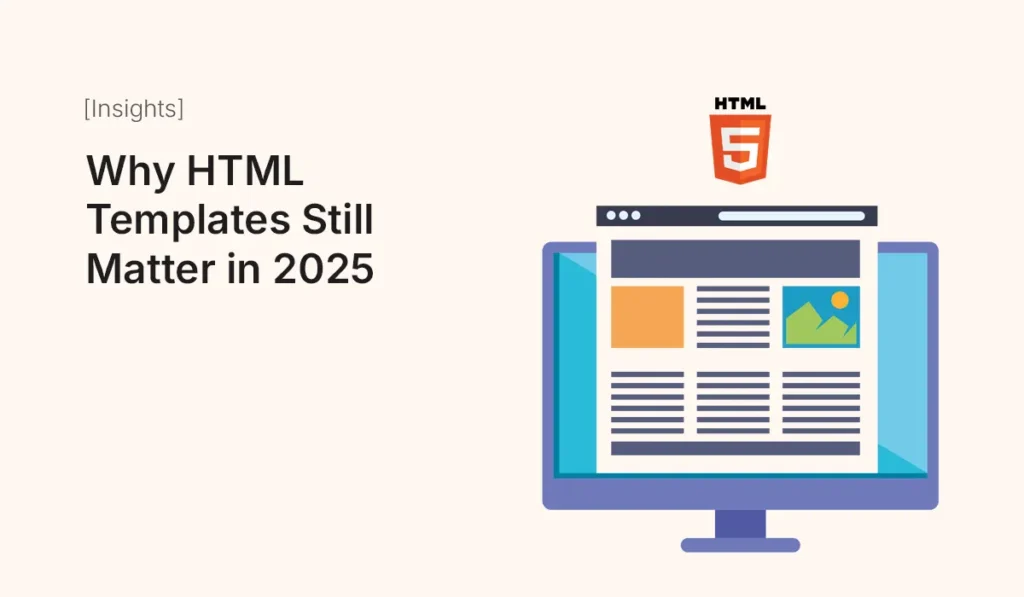
This is why novices should begin with HTML:
- It’s simple and easy to learn.
- It is the basis of the CSS along with JavaScript
- It can help to understand how websites work
- It is a requirement for web designers and developers.
- It allows for the creation of websites and online income
If you’re looking to make an IT career blogging, freelance, blogging or in business,
HTML will be the first stage towards your journey to success.
Key Concepts Every Beginner Should Know
To grasp HTML fundamentals, you must be aware of:
Elements
They define various parts of a page (e.g. headings, paragraphs and buttons).
Tags
They wrap content in a way and explain what it is.
Attributes
They provide additional information such as IDs classes, IDs, or tags with links.
Structure
Every HTML webpage has a clear top-to-bottom layout that users can understand.
Knowing these terms is vital to read and write HTML effectively.
What Can You Build With HTML?
Much more than you imagine:
- Simple landing pages and simple websites
- Portfolio sites for freelancing
- Online forms for collecting information
- Pages for service and product pages for business
- Blogs and other informational pages
When you combine HTML together with CSS as well as JavaScript,
you can build professional, real-world completely functional sites.
How Long Does It Take to Learn HTML?
Wonderful news! Not very long!
Most novices are able to comprehend the fundamental HTML in:
1 or 2 days to learn the basics
1 to 2 weeks for complete beginner-level mastery
It’s dependent on how often you work at it however, HTML is among the most basic skills you can master.
Modern HTML and Best Practices (2025)
Web standards evolve. Here are the most important guidelines to be followed:
- Make content clear and easy to read
- Make use of the semantic structure for improved SEO and accessibility
- Optimize layouts to work with mobile-first designs
- The focus should be on the speed of loading
- Find out how HTML is integrated using CSS to create visuals
- Check that your you have secure pages that are user-friendly and safe
A few good habits today can enable you to be a better developer in the future.
HTML + CSS + JavaScript = Complete Web Development
HTML is only the beginning.
To design a stunning web site that is interactive and beautiful:
- HTML provides structure
- CSS handles styling (colors, fonts, layout)
- JavaScript includes interactivity (menus animations, animated content)
Together, they form the basis of front-end development..
Who Should Learn HTML?
If you’re looking for:
The goal is to become a front-end, full-stack developer. Creating business or E-commerce websites. Designing UI/UX prototypes. A career in tech with lucrative opportunities to freelance as a web designer Building the brand’s online presence
Then HTML is the first step. it’s already the correct road!
Final Thoughts
HTML isn’t difficult -it’s your entry point into the web development world. When you’ve learned the basics and you’ll be amazed at how quickly you gain advanced capabilities.


