Artificial Intelligence in education is not a new concept It is already changing how students learn, the methods teachers teach, as well as the way institutions function. From personalized learning pathways to automated assessment and smart technology for delivering content AI has become the central element of modern education systems. With technology evolving rapidly, understanding the significance AI plays in the field of education is vital for teachers, students as well as policymakers who wish to keep up with the age of digital technology.
This comprehensive guide explains the ways that AI is changing education, its practical applications as well as the challenges, benefits ethical issues, and what the future is in store. Written using concepts of EEAT Cinematic flow and the the latest SEO trends This blog has been intended to be simple to read, informative, and focused on the user.
What Is Artificial Intelligence in Education?
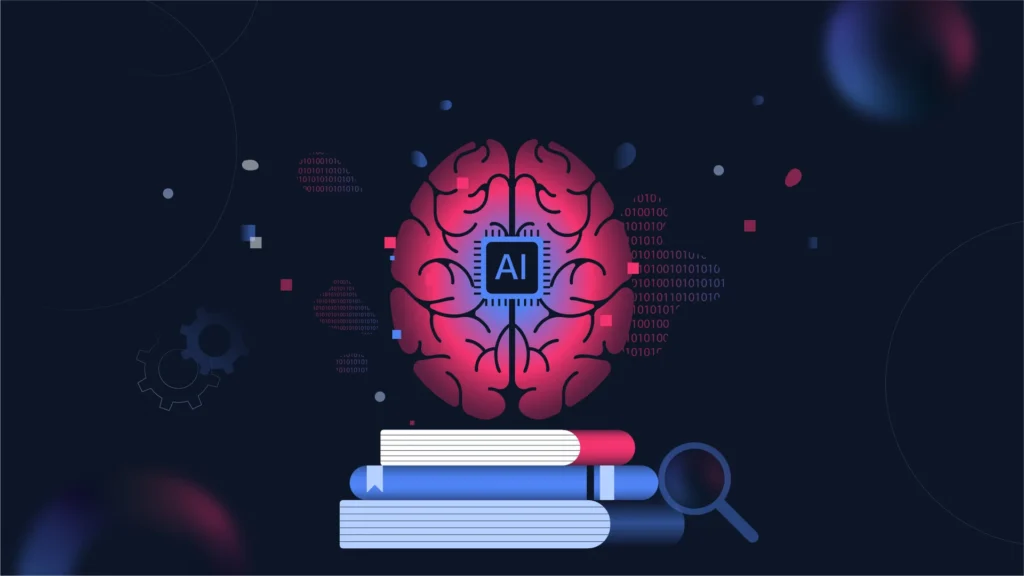
Artificial Intelligence in education refers to the use of machine-learning algorithms and data analytics, as well as natural processing of languages, and automation tools that improve the quality of learning and teaching. These systems evaluate the patterns of learning, student behavior and performance data to provide intelligent guidance in real-time.
Contrary to conventional educational software, AI-powered platforms change continuously. They learn from the user to refine their suggestions, and provide individualized solutions that grow with every interaction.
Why Artificial Intelligence in Education Matters Today
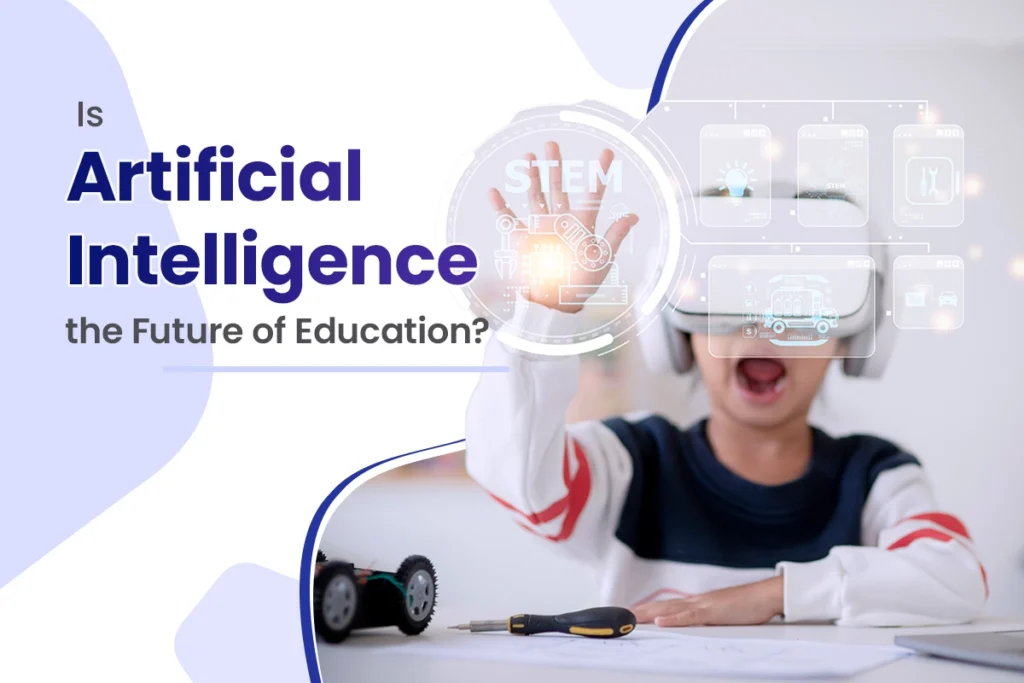
Educational systems across the globe face growing difficulties, including huge class sizes, different requirements for learning with limited resources and growing demands for digital-based skills. Artificial Intelligence in education helps tackle these issues in making education more effective flexible, inclusive, and adaptable.
AI isn’t replacing teachers, but rather improves their abilities. Automating repetitive tasks AI lets teachers focus more on mentoring, creativity and the ability to think critically.
The Role of AI in Personalized Learning
Personalized learning is among the most effective uses of AI in the field of education. Every student learns differently and AI can adapt lessons to individual strengths or weaknesses as well as learning patterns.
How AI Creates Personalized Learning Paths
AI systems evaluate:
- Student performance history
- Learner speed and personal preferences
- Engagement levels
- Results of the assessment
Based on the data The system can adjust the lessons’ difficulty, suggests additional resources, and also provides specific feedback. This makes sure that no student feels disengaged or unable to challenge themselves.
Intelligent Tutoring Systems
Intelligent tutoring systems use AI to power platforms that function as virtual teachers. These systems give immediate feedback, explanations, and advice without waiting to be contacted by a human.
Benefits of AI Tutors
AI tutors are on hand 24 hours a day so that learning is accessible at any time. They can adapt to student needs to identify areas of knowledge and provide step-by-step assistance. This is particularly useful for math or science and programming, in which practice and feedback is essential.
AI-Powered Assessment and Grading
Grading in the traditional way is slow and, often, subjective. Artificial intelligence in the classroom has revolutionized evaluation by making it more efficient, more fair, and precise.
Automated Grading Systems
AI can be graded:
- Multiple-choice tests
- Short-answer questions
- Essays and writing assignments
- Coding projects
These systems assess the grammar, structure logic, relevance, and structure and provide consistent results, and a time-saving for educators.
Smart Content Creation and Delivery
Artificial Intelligence in the field of education is also a major factor in the creation of content. AI tools can produce tests as well as summary, lesson plans as well as interactive games that are based on the curriculum’s requirements.
Adaptive Learning Content
AI analyses which content is most effectively for students and alters delivery methods to suit. Video learners can be provided with videos, while those who prefer text receive more specific explanations.
Virtual Classrooms and AI Assistants
Virtual classrooms are now a commonplace and AI makes them smarter. AI assistants aid in managing classes, respond to student questions and provide technical support during online classes.
How AI Enhances Virtual Learning
AI can help in:
- Attendance tracking
- Real-time language translation
- Voice recognition
- Automatic reminders, notifications and alerts
These features provide a smoother and more enjoyable learning environment.
Artificial Intelligence and Special Education
A major and important impact of artificial intelligence on education is the support it provides for students who have disabilities. AI tools aid in creating accessible learning environments for students with disabilities.
Accessibility Through AI
AI-driven solutions can include:
- Text-to-speech tools
- Text-to-speech readers
- Pacing based on your preferences
- Aids to learning through auditory and visual
These tools help students who might have difficulty in traditional classrooms.
Data-Driven Decision Making in Education
Educational institutions produce huge volumes of data. Artificial intelligence can convert this information into useful information.
Predictive Analytics in Education
AI systems can be used to predict:
- Student drop-out risks
- Trends in academic performance
- Resources allocation requirements
This allows institutions to intervene before the problem occurs and enhance overall outcomes.
Teacher Support and Professional Development
Artificial Intelligence in the classroom isn’t just for kids. Teachers can greatly benefit by AI-powered software that supports teaching in performance analysis, lesson planning, and professional development.
How AI Supports Educators
AI aids teachers through:
- Analyzing classroom engagement
- Recommending strategies for teaching
- Recognizing areas that need improvement
- Offering training materials
This results in a more educated and confident teaching force.
Ethical Considerations of AI in Education
While artificial intelligence in schools provides a wealth of benefits, it also brings ethical questions that must be dealt with in a responsible manner.
Key Ethical Challenges
The most important concerns are:
- Security and privacy of your data
- Algorithmic bias
- Transparency in decision-making
- Automation is a major factor in our dependence
Educational institutions need to implement specific policies that ensure AI is utilized in a fair and ethical manner.
AI and Student Data Privacy
The data of students is extremely sensitive. Artificial intelligence systems depend on data to function, so security of data a top priority.
Building Trust Through Transparency
Institutions must:
- Use secure data storage
- Limit data access
- Inform users about how their the data is used
- Be sure to comply with privacy laws
Trust is an essential aspect of EEAT and its long-term adoption.
The Role of AI in Lifelong Learning
Learning no longer ends after formal education. Artificial intelligence helps you stay on track to learn by recommending courses, qualifications and career paths according to individual objectives.
AI-Driven Career Guidance
AI tools assess the trends in the job market and personal preferences to suggest learning opportunities that are relevant to help individuals remain ahead of the curve in an ever-changing world.
Artificial Intelligence in Education and Future Skills
The use of artificial intelligence into the education system will prepare students for the future. AI-based learning environments encourage the importance of critical thinking, problem-solving creativity, and digital literacy.
Skills Developed Through AI Learning
Students benefit:
- Analytical thinking
- Adaptability
- Technical competence
- Collaboration skills
These skills are vital in an era of technology-driven economics.
Challenges of Implementing AI in Education
Despite its benefits, the implementation of artificial intelligence into education has its own obstacles.
Common Barriers
A few institutions have to deal with:
- Costs for implementation that are prohibitive
- The lack of technical expertise
- Refusal to change
- Infrastructure limitations
To overcome these obstacles requires an investment plan and strategic planning.
The Future of Artificial Intelligence in Education
Future developments in artificial intelligence and education promises to be exciting. As technology advances AI systems are expected to evolve to be more nimble, ethical and human-centric.
What to Expect Next
Future developments may include:
- Systems for learning that are emotionally aware
- Virtually immersive classrooms that are fully immersive
- AI-driven curriculum design
- Deeper human-AI collaboration
The education system will be more personal, accessible, and effective like never before.
Why Artificial Intelligence in Education Is Here to Stay
Artificial Intelligence in education is not just a temporary phenomenon It is a long-term change. Institutions that adopt AI with a sense of purpose will gain an edge in the market, and students will benefit from more intelligent education experiences that are more engaging and enjoyable.
Through balancing technology alongside ethics, openness and human knowledge, AI can truly redefine the future of education.
Final Thoughts
Artificial intelligence in the field of education is revolutionizing the way that knowledge is made and shared, as well as the way it is experienced. From personalized learning to intelligent assessment and an inclusive educational system, AI offers solutions to many of the most difficult issues in education today.
As we enter the digital age learning about and implementing artificial intelligence in the classroom is essential to build better and more equitable learning environments.