
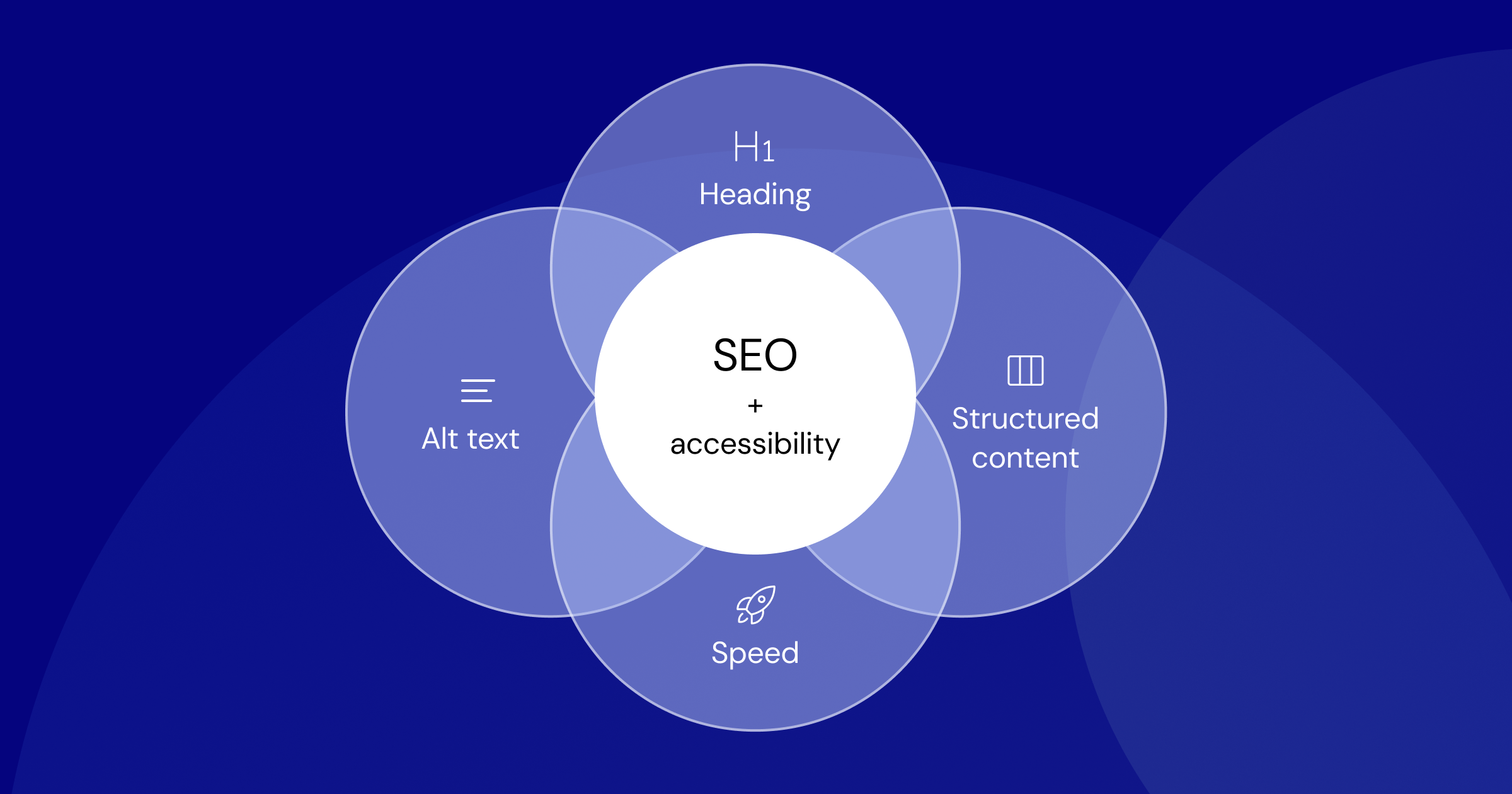
SEO or Search engine Optimization (SEO) by 2025 will be more than just the use of keywords and backlinks. The present-day SEO is a shrewd blend with user-experience, semantic relevancy, AI understanding, and content that is of real value. If you’re a novice or a seasoned marketer, learning the latest SEO methods is crucial to stand out from your competition, increase the visibility of your site, and boost organic traffic.
This complete guide explains the most recent SEO techniques, trends, top practices, tools, and strategies. All described clearly and written for humans and search engines. You’ll discover how SEO will work in 2025, how it has evolved, as well as how you can create the SEO strategy that will last.
What Is SEO and Why It Still Matters in 2025
The Search Engine Optimization (SEO) is the process of enhancing your website and its content to show up in search results for relevant searches. In spite of changes in the technology and search algorithms, SEO remains a primary driving factor for organic traffic and increases in audience.
In 2025, search engines –and especially Google will continue to refine the way they perceive and evaluate content. Through advances made in AI and natural processing of language (including models such as BERT as well as MUM) Search engines are now more adept at interpreting the intent of users as well as context and relevancy and not just relying on keyword matching.
Why SEO is more important now than ever
- Organic search is still one of the biggest sources of traffic to websites.
- Paid advertisements are costly and are becoming more competitive.
- Organic results are more trusted by users than advertisements.
- SEO enhances the user experience on your website.
How Search Engines Work: Crawling, Indexing, and Ranking
To maximize your search engine performance it is important to know the way search engines work behind the behind the scenes. There are three fundamental methods:
1. Crawling
The search engines use robots (spiders) to find websites on the internet. The bots track hyperlinks from one site to the next, and collect information on each page.
2. Indexing
After being discovered, the pages are saved in a huge database known as”index. “index.” If a page isn’t found in the index, it won’t be displayed in the results of a search.
3. Ranking
If a user makes an online search, the engine reviews all pages that are indexed and ranks them according to relevancy and quality signals. These signals are based on the quality of content, backlinks and user experience and semantic relevancy.
Modern ranking factors comprise:
- Page load speed
- Mobile performance
- User behavior signals
- Authority for topical issues
Understanding the flow of traffic can help to optimize your website for relevancy and visibility.
SEO in 2025: Major Trends You Need to Know
SEO continues to grow. Here are the most significant SEO trends that will be shaping SEO by 2025.
AI and Machine Learning
Search engines utilize AI to determine the relevance of content and contextual relevance. This means that content should be user-centric, semantically rich and aligned with the search intent.
Search Intent Optimization
Understanding the reason people search will be more crucial in comparison to what they search for. The ability to match content with the purpose (informational and navigational, as well as commercial, transactional) increases the rankings.
E-E-A-T: Experience, Expertise, Authoritativeness, Trust
Google has now placed a greater emphasis on E-E A-T as a quality indicator for ranking. Credibility and experience in your content, particularly in relation to YMYL (Your Money, Your Life) subjects — is vital.
Core Web Vitals and Page Experience
Measures of user experience such as the speed of loading and interactivity as well as visual stability directly affect rankings.
Semantic Search and Topic Clusters
Instead of optimizing for a single key word, successful SEO strategies are now focused on topic clusters that cover the entire spectrum as well as semantic keywords and related subtopics.
Voice and Multimodal Search
The use of AI and Voice Search are changing the way content should be organized in a natural language, conversational, and schema-enhanced.
Keyword Research: The Foundation of SEO Success
Keyword research is still the foundation of SEO. However, in 2025, it’s more sophisticated and more focused on the user’s needs.
How to Find the Right Keywords
Make use of tools such as:
- Google Keyword Planner
- Ahrefs
- SEMrush
- Moz
- AnswerThePublic
Concentrate on:
- Search volume
- Keyword difficulty
- Intent (why users look up that phrase)
- Relevance to the content you are promoting
Types of Keywords to Target
- Keywords with a short tail (broad words)
- Keywords with a long tail (specific high-intent, more specific)
- LSI & semantic keywords (contextual relevance)
- Keywords that are questionable (used as featured excerpts)
Content Strategy That Ranks in 2025
Content is still the king of the hillhowever, the way you write it is important.
Create Searcher-Focused Content
Your content must solve real-world problems. Google’s algorithms favor content that:
- Answers questions clearly
- Is comprehensive
- Matches user intent
- It is easy to navigate and read
Use Topic Clusters
Related content from the group under major themes. For instance:
Main Page: SEO Guide
Clusters:
- Keyword research
- On-page SEO
- Technical SEO
- Link to build
- Local SEO
Every page has a link to other pages in order to build credibility and also to increase the relevancy.
On-Page SEO: Best Practices
On-page SEO means optimizing individual web pages for particular terms and experiences for users.
Title Tags
- Include the keyword you want to target
- Limit it to 60 characters.
- Be sure to make it engaging and click-worthy.
Meta Descriptions
- Use action words
- Include primary and secondary keywords naturally
- Around 150-160 characters
Headings (H1, H2, H3)
Divide content into clear, readable segments with the help of:
- H1 for the title of the main page
- H2 for the major sections
- H3/H4 for sub-sections
URL Structure
- Descriptive and short
- Include the primary keyword
- Make use of hyphens, not special characters
Content Optimization
- Include keywords for target as well as LSI keywords naturally
- Create internal links to relevant pages
- Create images using optimized alt text
Technical SEO: Foundations of Search Visibility
The technical SEO will ensure that the crawling of search engines and index your website efficiently.
Site Speed Optimization
Slow websites lose rankings and users. Speed can be improved by:
- Compressing images
- Minifying CSS/JS
- Making use of caching
- Hosting with speed is important.
Mobile-First Indexing
Google mostly utilizes mobile versions to index and ranking. Be sure that your site is mobile-friendly.
XML Sitemaps
Create and send the XML sitemap to aid search engines in finding your website’s content more quickly.
Robots.txt
Utilize robots.txt to decide which websites search engines should index.
Schema Markup
Incorporate structured data to increase SERP visibility
- Breadcrumb schema
- FAQ schema
- Article schema
- Product schema (if applicable)
Schema can help with the quality of results and increases CTR.
Link Building: Still a Core SEO Strategy
Backlinks are among the most powerful ranking signalsHowever, quality is more important than the quantity.
Types of Valuable Backlinks
Backlinks with high authority originate from:
- Websites related to industry
- Educational tools and resources
- News portals
- Relevant blogs in your niche
Proven Link Building Tactics
- Guest post
- Broken link outreach
- Create link-worthy resources
- Use HARO (Help a Reporter Out)
- Collaboration with influencers
Do not buy cheap linksthey could hurt your SEO.
Local SEO: Be Found Where Your Audience Is
If you are a business that focuses on local customers SEO for local businesses is crucial.
Optimize for Google Business Profile
- Complete your profile
- Use accurate categories
- Upload pictures
- Encourage reviews
- Make sure that NAP (Name Address Phone) constant
Local Citations
Include yourself in directories that are reputable:
- Yelp
- Bing Places
- Apple Maps
- Local niche directories
Local signals and reviews help to rank better in local search results.
User Experience (UX) and SEO: A Winning Duo
Google evaluates how visitors interact with your website. A good UX improves the duration of dwell time and lowers bounce rates, both of which are positive rankings signals.
Improve UX With
- Pages that load quickly
- Clear navigation
- Typewriters that can be read
- Visual hierarchy
- Relevant CTAs
UX influences rankings and conversions.
Measuring SEO Success: Key Metrics
Monitoring results is essential so that you can improve your plan.
Important SEO Metrics
- Organic traffic (Google Analytics)
- Keyword rankings
- CTR = click-through (CTR)
- Rate of bounce
- Time on the page
- Profile of Backlink
- Conversion rate
Utilize tools such as Google Analytics, Google Search Console, Ahrefs, and SEMrush.
SEO Tools Every Marketer Should Use
To increase and scale SEO, apply:
- Google Analytics
- Google Search Console
- SEMrush
- Ahrefs
- Moz Pro
- Ubersuggest
- Screaming Frog
- SurferSEO / Clearscope
These tools assist with search engine optimization, keyword research technical audits, competitive analysis.
Common SEO Mistakes to Avoid
Many experienced marketing professionals make mistakes which can affect performance.
Avoid These SEO Mistakes
- Keyword stuffing
- Duplicate content
- Ignoring semantic search
- Poor mobile optimization
- Not paying attention to page speed
- Spammy backlinks
Correction of these problems improves visibility and ranking.
The Future of SEO: What to Expect Next
SEO will continue to evolve as AI and the behavior of users change. Future trends in SEO include:
AI-Driven Search Evolution
Search engines will get better in understanding the context of users and their intentions which will increase the importance of relevance than specific words.
Multimodal Search
The results of a search include videos, images and responses to conversations powered by AI.
Voice Search Growth
Optimizing the search engine for natural-language and conversational queries will become more crucial.
Privacy-First Web
As privacy laws evolve, SEO will adapt to new limitations on tracking and expectations from users.
Conclusion: SEO in 2025 Is About Value
SEO in 2025 doesn’t have to be just about keywords. It’s about meeting the needs of users and creating content that is valuable and optimizing user experience and developing credibility organically. A successful SEO is a blend of technical and human-centered content as well as strategic analytics.
Focusing on the concepts in this article covering everything from semantic optimization to E-E A-T and topic clusters you’ll be able to create a strong SEO strategy that can stand against the test of time.


